
A deadline is only real if the risky part ships first.
Six MVPs and six calendars that held. The figure on every card links to the write-up it came from.
Full scope in five weeks
Four launch-critical pillars, phase-gated and verified as it went. The pipeline everyone worried about shipped in week one of five.
3 weeksowner app and provider app, concept to launchTwo apps, three weeks
Two connected apps on one backend, scoped so the shared half was built once rather than twice.
4 weeksan eight-agent pipeline, running unattendedPrototype to production
From something that worked on a good day to something that runs without us, with the quality gate that makes leaving it alone safe.
5 weeksa Claude beauty advisor, liveAI in the product, not beside it
The AI feature is scoped to the one job it does well, which is how it ships inside the MVP window instead of after it.
5 weeksconcept to production launchRedesign on the same clock
New UX architecture, a fresh design system and mobile-first listings, delivered on the same kind of calendar as a new build.
100%design and development in-houseOne team, start to finish
The same people through discovery, design, build and launch. Nothing waits in a queue between two agencies.
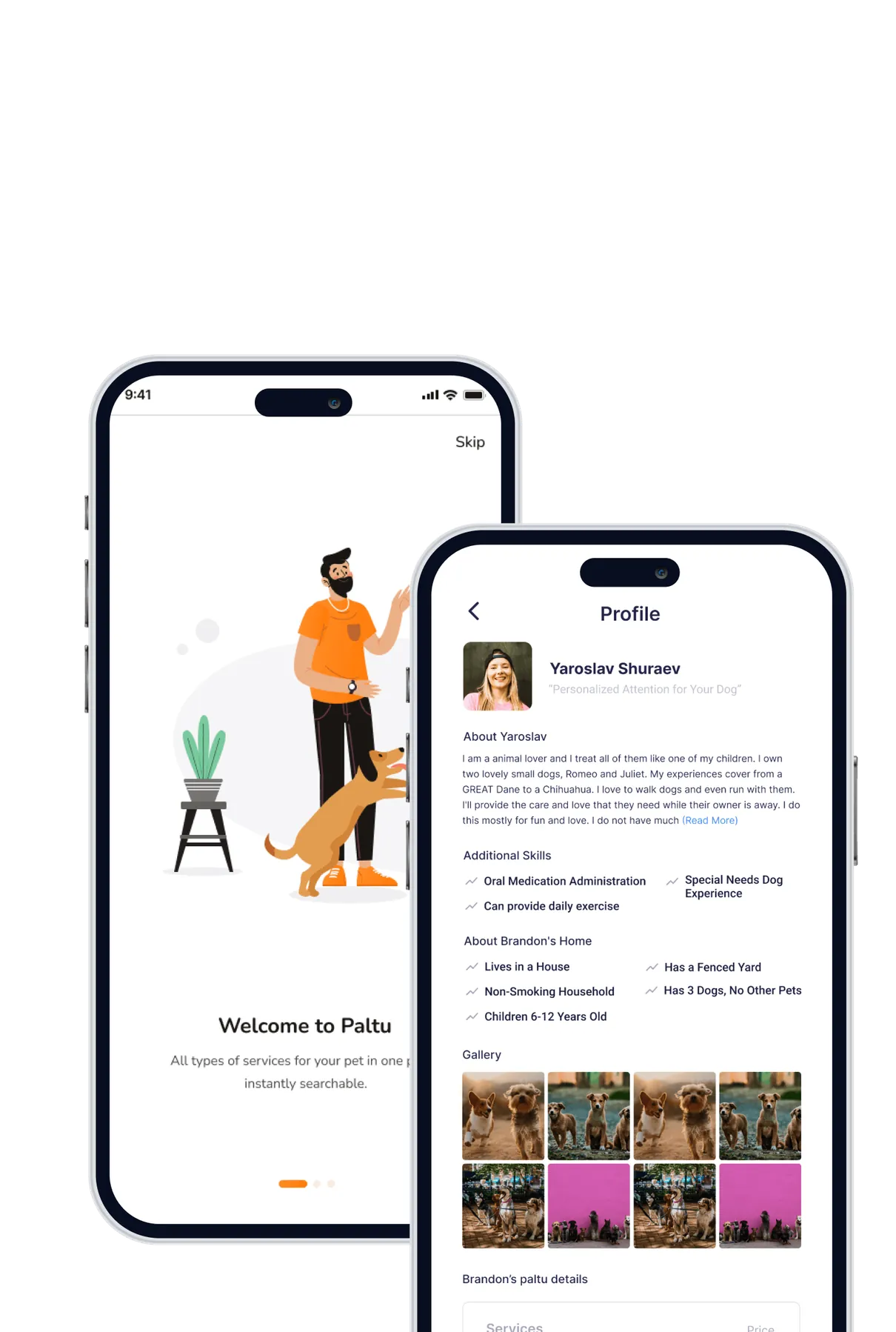

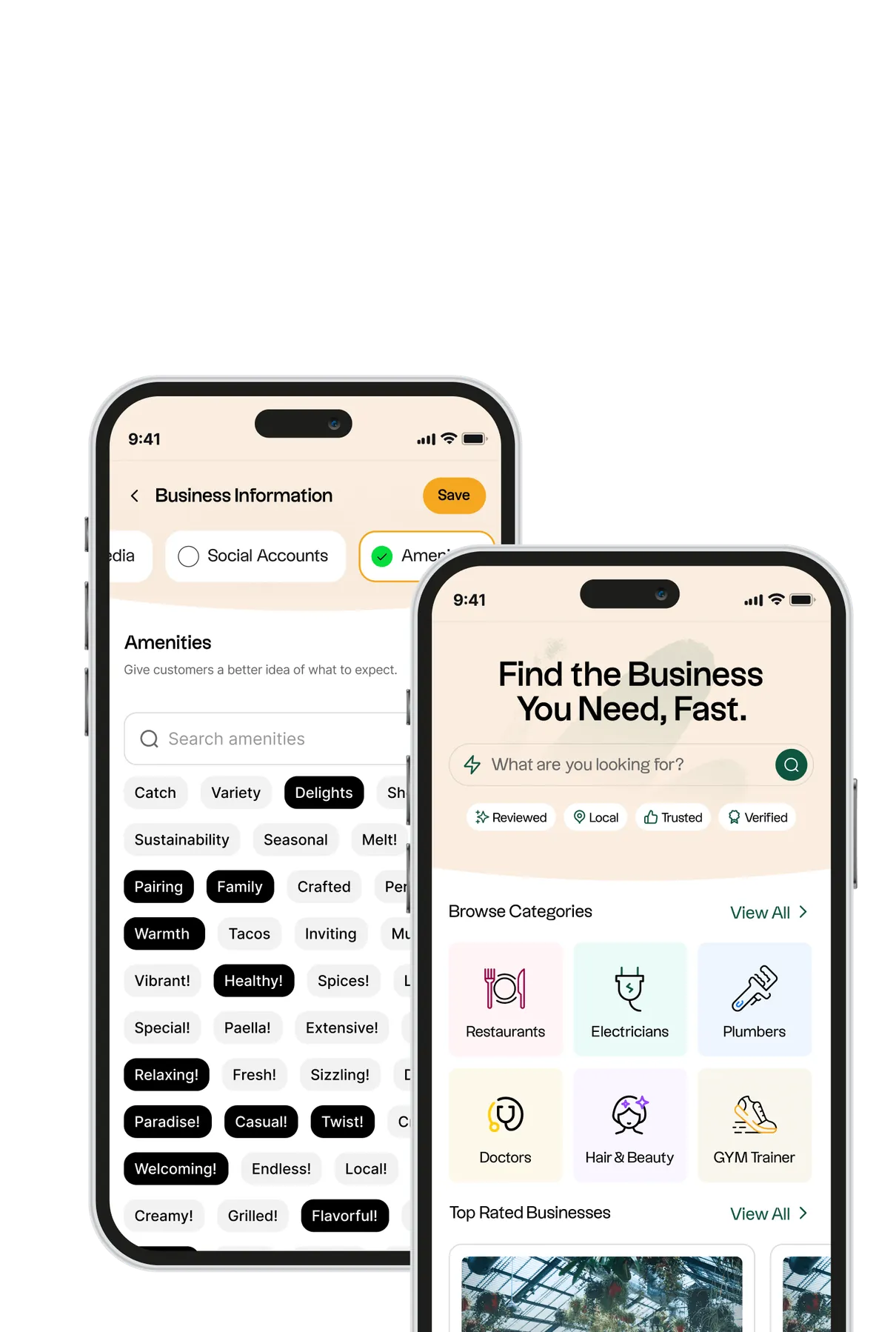
Five MVP shapes, and what we cut to make the date.
Claude-Powered Assistant
One assistant doing one job well, wired to your real data, with the reasoning shown rather than hidden.
Multi-agent orchestrationAI Feature in an Existing Product
A single feature layer — analysis, summaries, intelligent search — on the product you already run.
The rewriteTwo-Sided MVP
Both sides of the transaction, the matching between them, and one payment path that genuinely works.
Payouts at scaleMobile MVP
One platform done properly, or both cross-platform, with the backend contract defined once.
Native rewritesInternal Tool
The workflow your team actually runs, with roles and an audit trail from day one.
The full permission matrixHow six weeks actually goes.
- 01Week 1Scope and architecture
The workflow mapped as it really happens, the success measure written down, and the parts that are explicitly out. This is what makes the rest of the calendar possible.
- 02Week 1–2The risky flow first
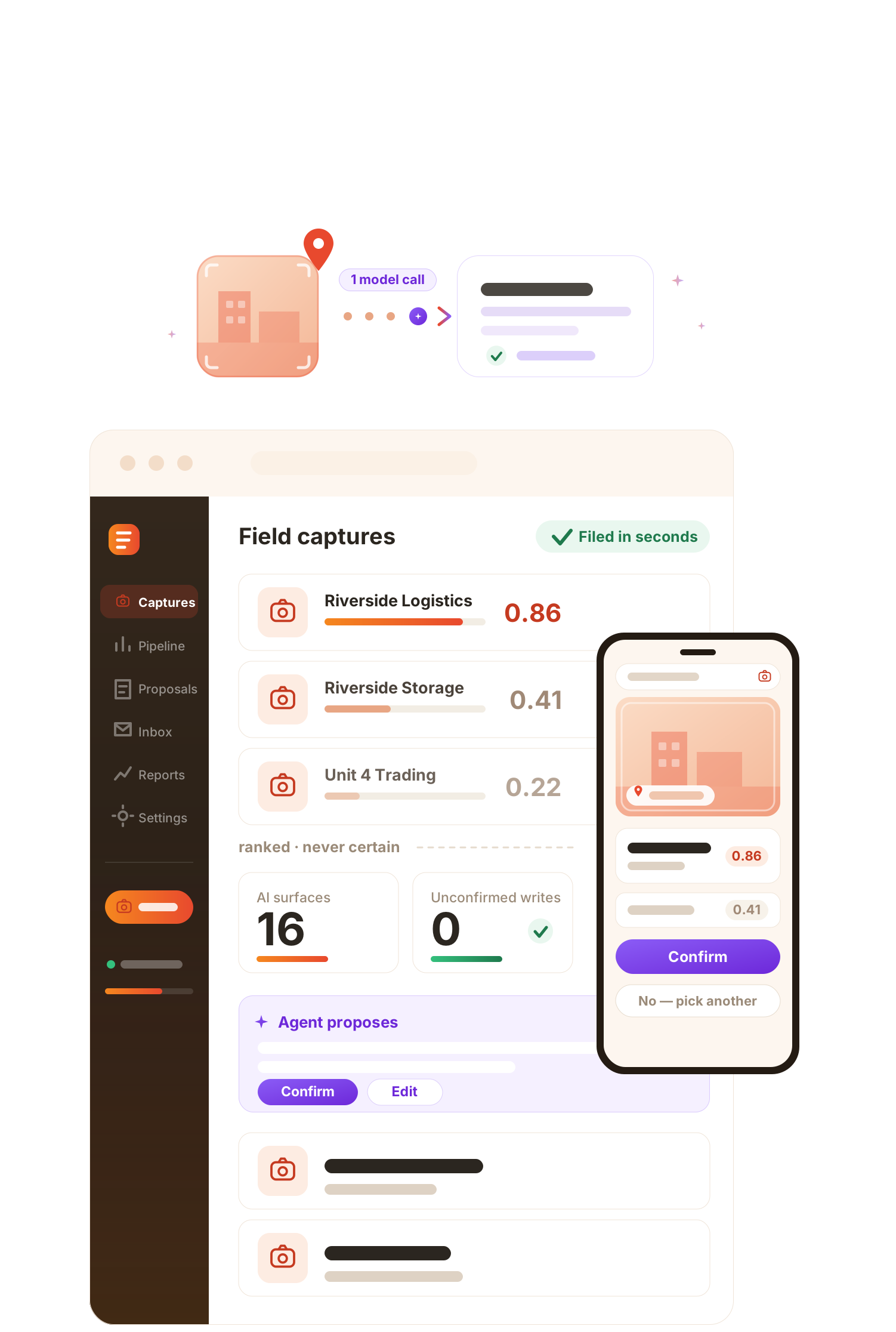
Whatever we are least sure of ships first. On FlyCRM that was the capture pipeline, in phase 3 of 20, which is why the last two weeks were polish.
- 03Week 2–4The core build
The features that carry the hypothesis, and nothing that does not. Scope creep is the only reliable way to miss this date.
- 04Week 4The AI layer
Scoped to the specific jobs it does well, behind a provider-agnostic interface, so swapping models later is a config change rather than a refactor.
- 05Week 5QA and guardrails
The refusals encoded, the confirm gates placed, the failure paths walked. What the system does on a bad day is part of the build, not an afterthought.
- 06Week 5–6Deploy and handover
Infrastructure, documentation and access. You should be able to keep going without us, and most clients do.
Why We Build with Claude
Three reasons, each one a failure we would rather not spend a six-week build debugging.
Instruction-following that survives a long chain
14 agents across 6 layersA system that reads a 50-page report, extracts fields, classifies them and fires the right workflow fails at whichever step drifts first. Across the fleets on this site — 14 agents in one, 8 in another — the compounding matters more than any single-shot benchmark. Claude held the chain best in the comparisons we ran before committing.
A context window that removes the chunking layer
96% ruled out on one passWhole documents, full ticket histories and entire exports go in on one pass. That deletes the chunk-and-stitch code that is the usual source of dropped context — and the usual source of a summary that quietly omits the important paragraph.
Predictability we can put in front of a client
0 writes without a confirmEvery build here writes into someone's production system. Consistent, well-bounded behaviour is what makes a human-confirm gate meaningful and what gets a build through an internal review. It is the reason the FlyCRM figure is 0 and not 'low'.
Frequently Asked Questions.
What is included in your Claude MVP development service?
Our Claude MVP service includes: product discovery and scoping, AI architecture design, Claude API integration, backend systems and REST APIs, a web or mobile interface (depending on scope), deployment to cloud infrastructure, and basic monitoring. We focus on getting a working, testable product in front of real users as quickly as possible.
How long does it really take to launch an AI MVP?
Most Claude-powered MVPs ship in 3–6 weeks. Week 1–2 covers discovery, architecture, and design. Weeks 3–4 are the core build sprint. Weeks 5–6 are QA, deployment, and handover. Complexity factors that extend timelines include custom data pipelines, third-party integrations, and multi-user permission systems.
What's the difference between an MVP and a full AI product?
An MVP (minimum viable product) is the smallest version of your product that lets you test your core hypothesis with real users. It typically has one or two core AI features, basic authentication, and enough UI for users to get value. A full AI product adds scale infrastructure, advanced features, billing, analytics, and production-grade reliability. We recommend validating with an MVP before committing to full-scale development.
What happens after the MVP launches?
After launch, we can support with a post-launch monitoring period, iteration sprints based on user feedback, and a roadmap toward a full AI SaaS product. Many clients move from our MVP service into our AI SaaS development engagement once they've validated their idea and secured funding or early revenue.
Idea in your head? Let’s
bring it to life.
Got a project? A wild idea? Or just want to say hey?
We're here for all of it — reach out anytime.