
AI SaaS development — scalable platforms
built with Claude.
Start a projectA SaaS platform is mostly the unglamorous half: tenancy, billing, roles and an audit trail.
Six of them, each already carrying a live product. The figure on every card links to the write-up it came from.
Whole-product scope
A two-sided marketplace with search, proposals, contracts, milestones and payouts — delivered against quotes that had priced it at the better part of a year.
16distinct roles on one policy layerRoles that do not collapse
Sixteen role-shaped front doors with a single permission model behind them. Getting this wrong is what turns a platform into a maintenance problem.
3clients served by a single backendOne API, every surface
Web, admin and mobile off one contract. It gets defined once, so a change is made once and tested once instead of three times.
667commits, every one traceable to a reasonMoney handled properly
Stripe Connect, milestones and obligations that hold up when real money moves through them. Auditable by design, because it had to pass review.
2fields where AI writes, and nowhere elseAI scoped, not sprayed
AI put exactly where a blank field blocks a user, and left out of the rest of the builder. That restraint is what keeps it feeling like a product.
60%of queries auto-resolved after launchOps load that drops
Support and onboarding burden is where SaaS margins quietly go. Automating the repeatable middle is the fastest way to get them back.
Five SaaS shapes, and what each one has to get right.
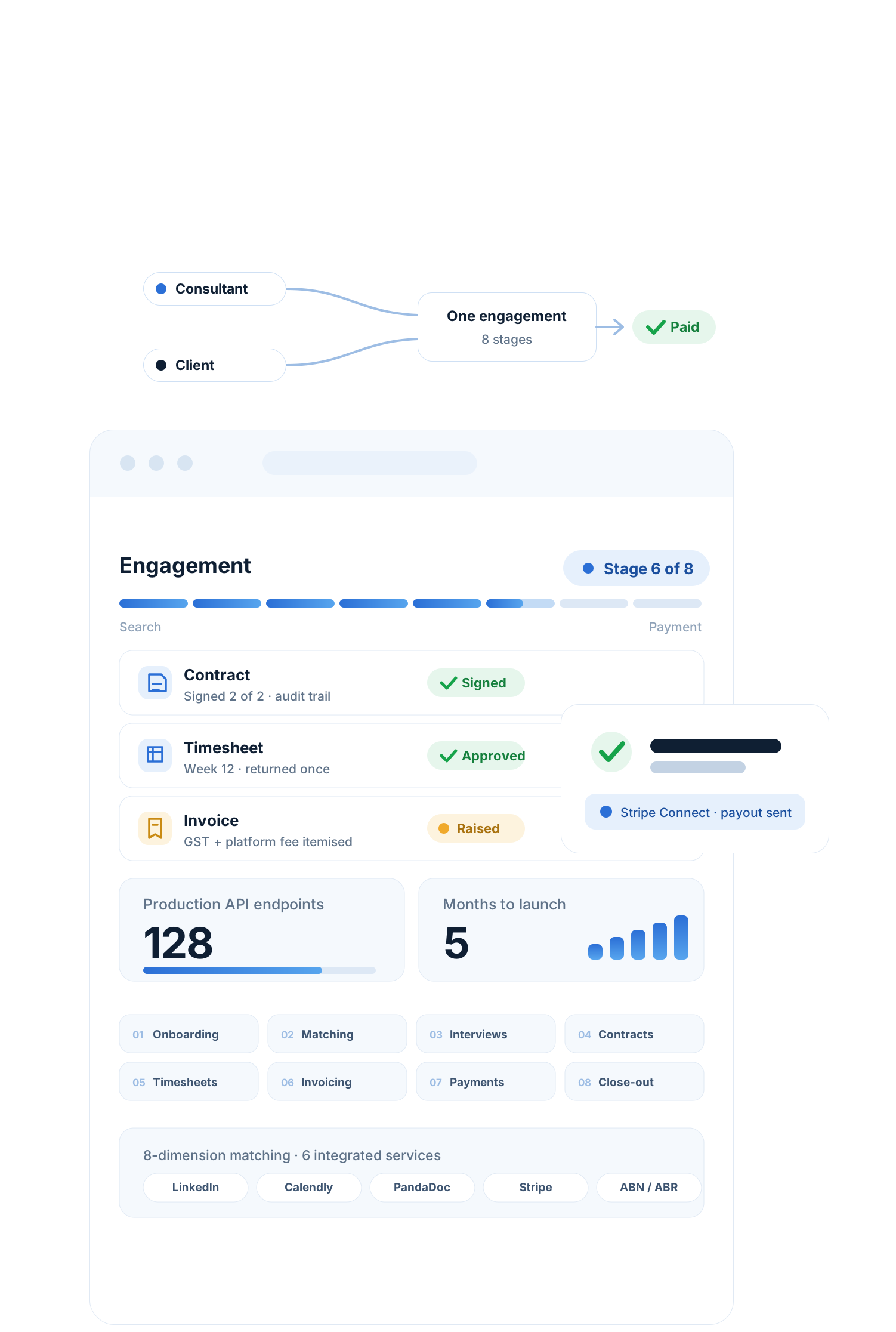
Two-Sided Marketplaces
Both sides of an engagement in one place — discovery, proposals, contracts, milestones and payout.
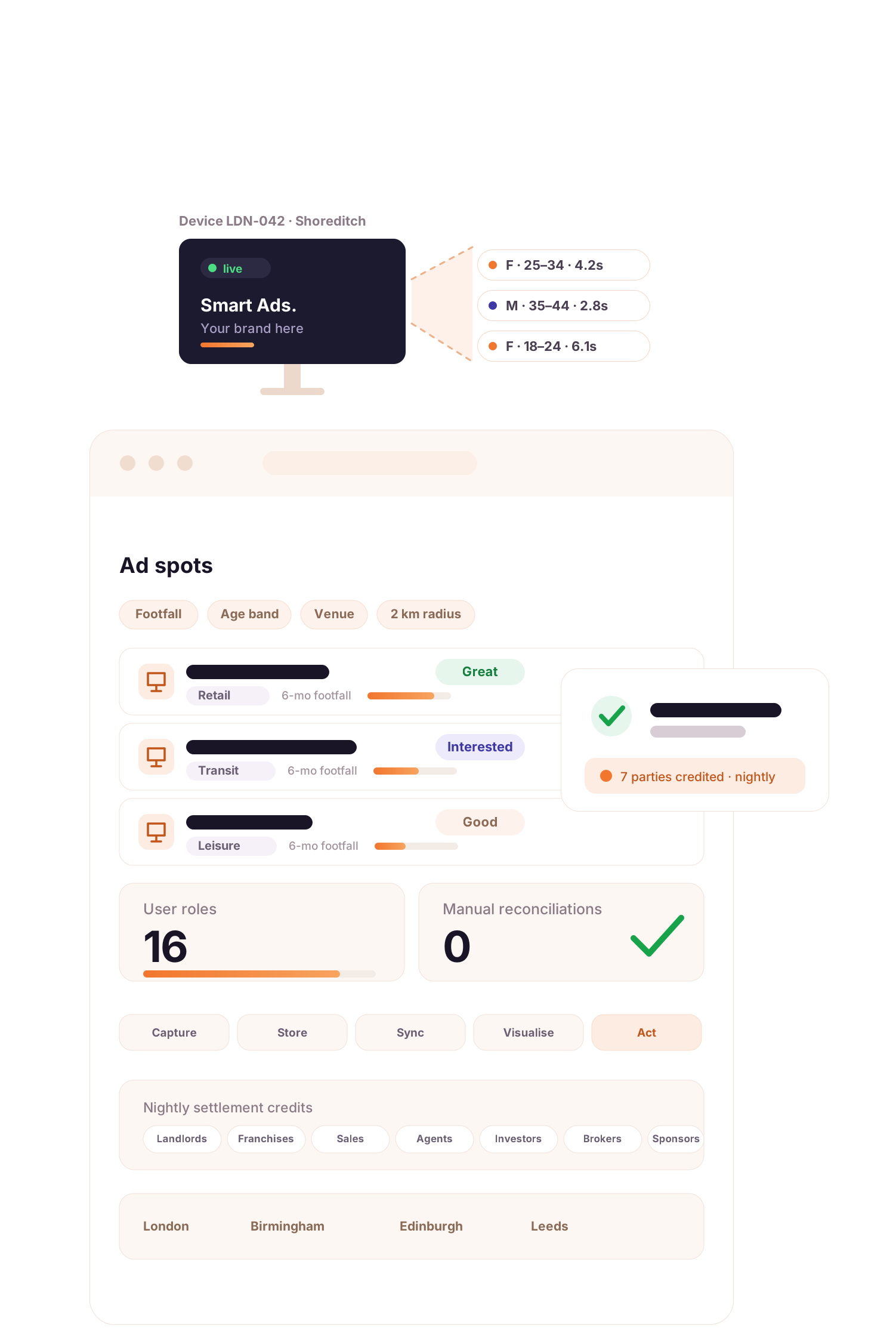
The money flowVertical AI SaaS
One industry's workflow modelled properly, with AI doing the reading and reasoning the incumbent tools push back onto the user.
The domain rulesMulti-Tenant Platforms
Isolation enforced at the database, not in application code that one missed WHERE clause can defeat.
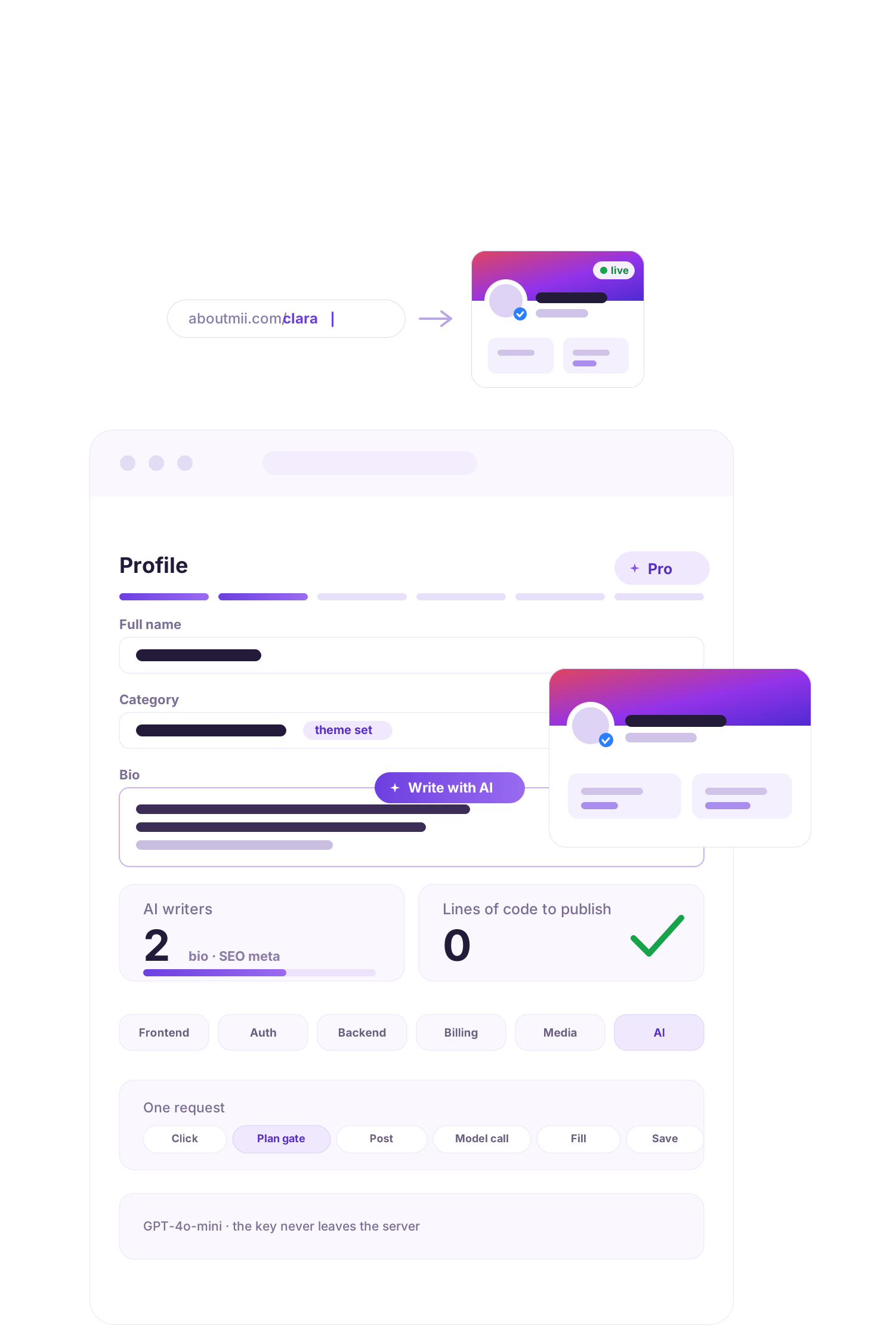
The tenancy boundaryBuilder & Publishing Tools
A step-based dashboard, themes, custom domains and analytics — with AI only on the fields that stall a launch.
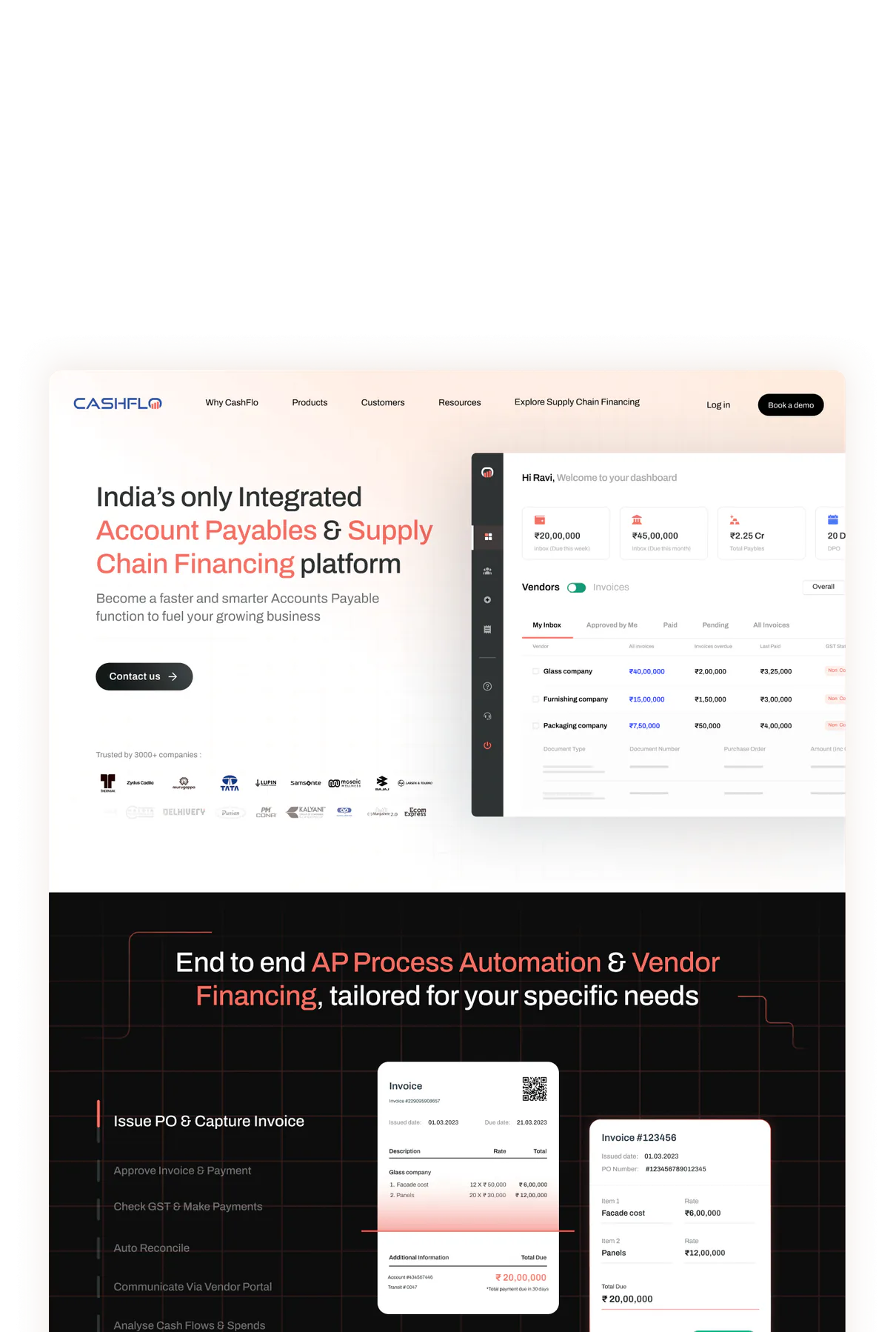
Where AI helpsInternal Platforms
Roles, approvals and reporting for a team that has outgrown spreadsheets but does not want an enterprise rollout.
The permission modelWhat a platform we ship is made of.
- 01TenancyWho can see what
Enforced at the row level in the database. Application-layer checks are a convenience; the database is the thing that actually holds the line.
- 02BillingHow it takes money
Subscriptions, usage, or marketplace payouts through Stripe Connect. Decided early, because billing shapes the data model more than anyone expects.
- 03RolesWho can do what
One policy layer behind every front door. HadsUp runs sixteen roles this way rather than sixteen separate sets of rules.
- 04AI layerWhere intelligence sits
Behind our own provider-agnostic interface, scoped to the specific jobs it does well, with the prompt and its constraints under version control.
- 05SurfacesWhere people work
Web, admin and mobile off one API contract. Defined once, tested once, changed once.
- 06ObservabilityHow you know it is healthy
Logs, metering and error paths designed in. An unattended system is defined by how it fails, so the failures get designed rather than discovered.
Why We Build with Claude
Three reasons, each one a failure we would rather not spend the project debugging.
Instruction-following that survives a long chain
14 agents across 6 layersA system that reads a 50-page report, extracts fields, classifies them and fires the right workflow fails at whichever step drifts first. Across the fleets on this site — 14 agents in one, 8 in another — the compounding matters more than any single-shot benchmark. Claude held the chain best in the comparisons we ran before committing.
A context window that removes the chunking layer
96% ruled out on one passWhole documents, full ticket histories and entire exports go in on one pass. That deletes the chunk-and-stitch code that is the usual source of dropped context — and the usual source of a summary that quietly omits the important paragraph.
Predictability we can put in front of a client
0 writes without a confirmEvery build here writes into someone's production system. Consistent, well-bounded behaviour is what makes a human-confirm gate meaningful and what gets a build through an internal review. It is the reason the FlyCRM figure is 0 and not 'low'.
Frequently Asked Questions.
What makes a SaaS product an "AI SaaS" product?
An AI SaaS product uses artificial intelligence as a core feature not just a bolt-on. This could mean the product analyses user data to generate insights, uses language models to generate content or answers, automates decisions based on user behaviour, or personalises the experience dynamically. AI is part of the product's core value proposition, not a chatbot widget on the side.
Do you handle hosting, infrastructure, and scaling?
Yes. We design and manage the cloud infrastructure as part of the build-including database setup, API architecture, autoscaling, CDN configuration, and environment management across staging and production. We primarily use AWS and Google Cloud, and hand over full infrastructure documentation at the end of the engagement.
How long does building a full AI SaaS platform take?
A focused AI SaaS product typically takes 3–5 months end to end-covering discovery, architecture, development, testing, and launch. Complexity factors include the number of AI features, integration requirements, multi-tenancy, and billing/subscription infrastructure. We recommend starting with a validated MVP to reduce build risk before committing to full-scale development.
Can you integrate Claude into our existing SaaS product?
Yes. We scope and integrate Claude as a feature layer into existing products-adding capabilities like document analysis, AI-generated summaries, intelligent search, or automated report generation. This typically involves API integration, prompt engineering, and building the UI components your users interact with.
Idea in your head? Let’s
bring it to life.
Got a project? A wild idea? Or just want to say hey?
We're here for all of it — reach out anytime.