
An accounts-payable queue that mostly clears itself.
Cashflo is an integrated accounts-payable and supply-chain financing platform. In eight weeks we rebuilt it around Claude-powered support agents, automated reconciliation pipelines and a live operations dashboard — automating the matching work that filled an ops team’s day, while keeping every rupee that moves behind a human decision.
Payables is a queue problem wearing a finance costume
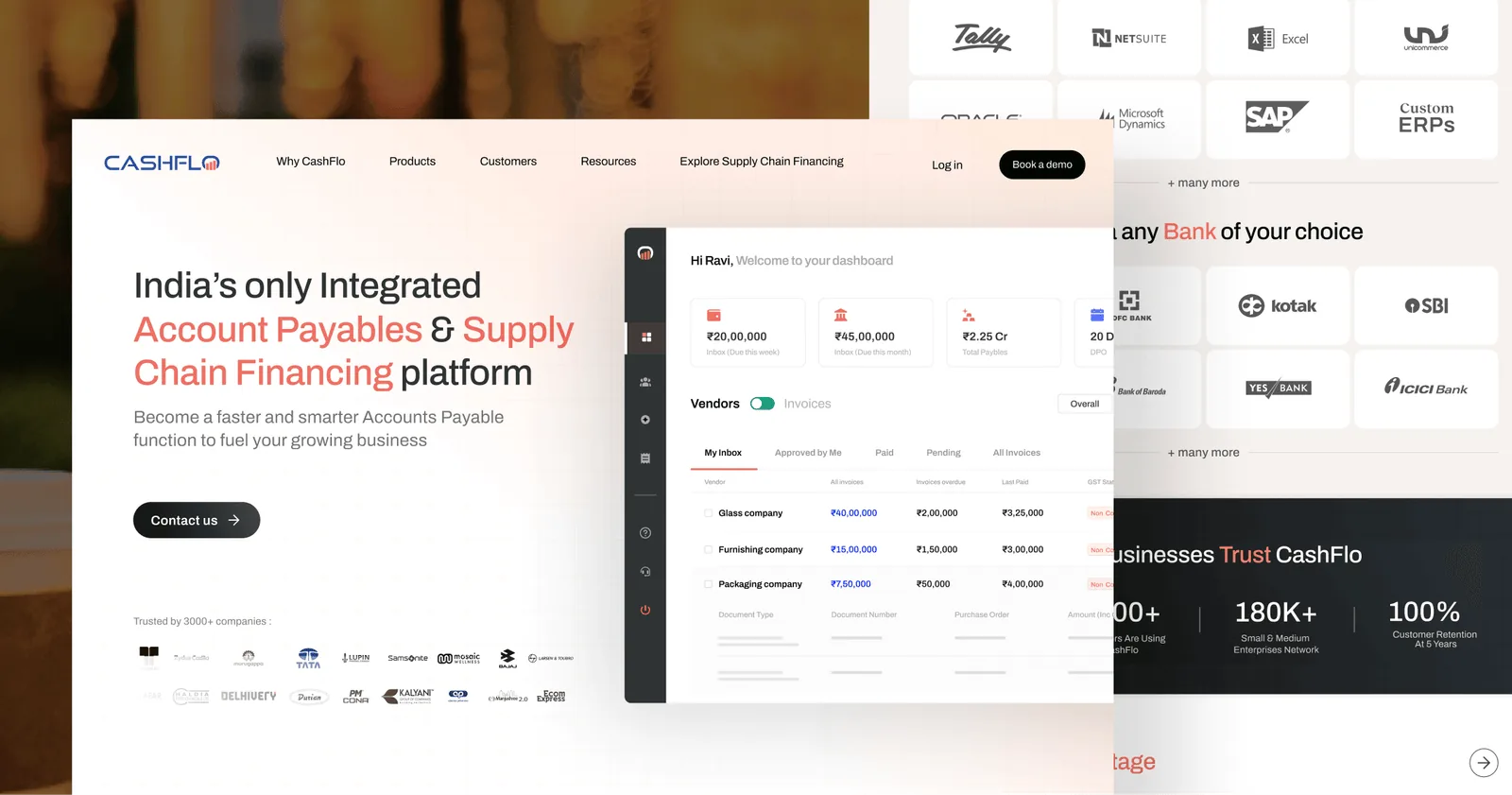
Cashflo set out to educate businesses about a platform that simplifies account payables and streamlines supply chain financing. The brief was a user-friendly, informative and persuasive product that captured the platform’s sophistication without losing its accessibility — and underneath that, an ops workload that was almost entirely manual matching.
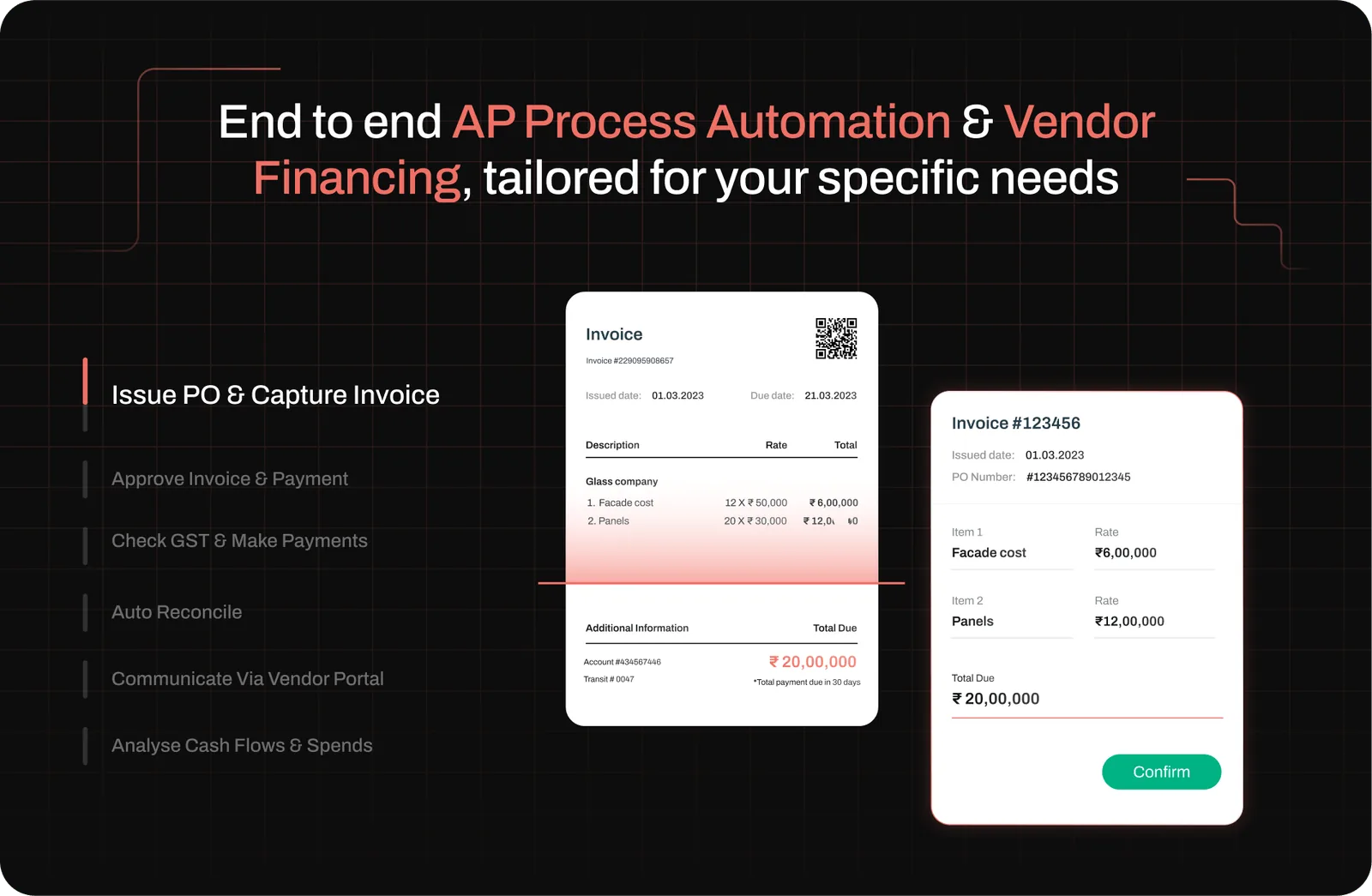
Most of an AP team’s day is not judgment. It is reading an invoice, finding the purchase order, checking the numbers agree, and applying a payment that arrived without a clean reference. All of that is automatable. What is not automatable is the decision to move money — so the system does the reading and the matching, and stops at every point where a balance would change.
Three places the day disappeared
The audit interviews with the ops, product and finance teams kept landing on the same three sinks. None of them needed a finance expert; all of them needed someone to read carefully and cross-reference, for hours.
Matching by eye
Invoice against purchase order against receipt, line by line. The work is mechanical until the moment it is not, and the exception is buried in the hundred that matched.
Onboarding that stalled
Connecting an ERP and a bank was a manual setup conversation. Businesses signed up and then sat unactivated, which is the most expensive place for a customer to stop.
The same question, all day
Where is my payment, why is this invoice held, what is my current exposure. Answerable from the ledger every time, and answered by a person every time.
Agents that answer from the ledger, and stop at the money
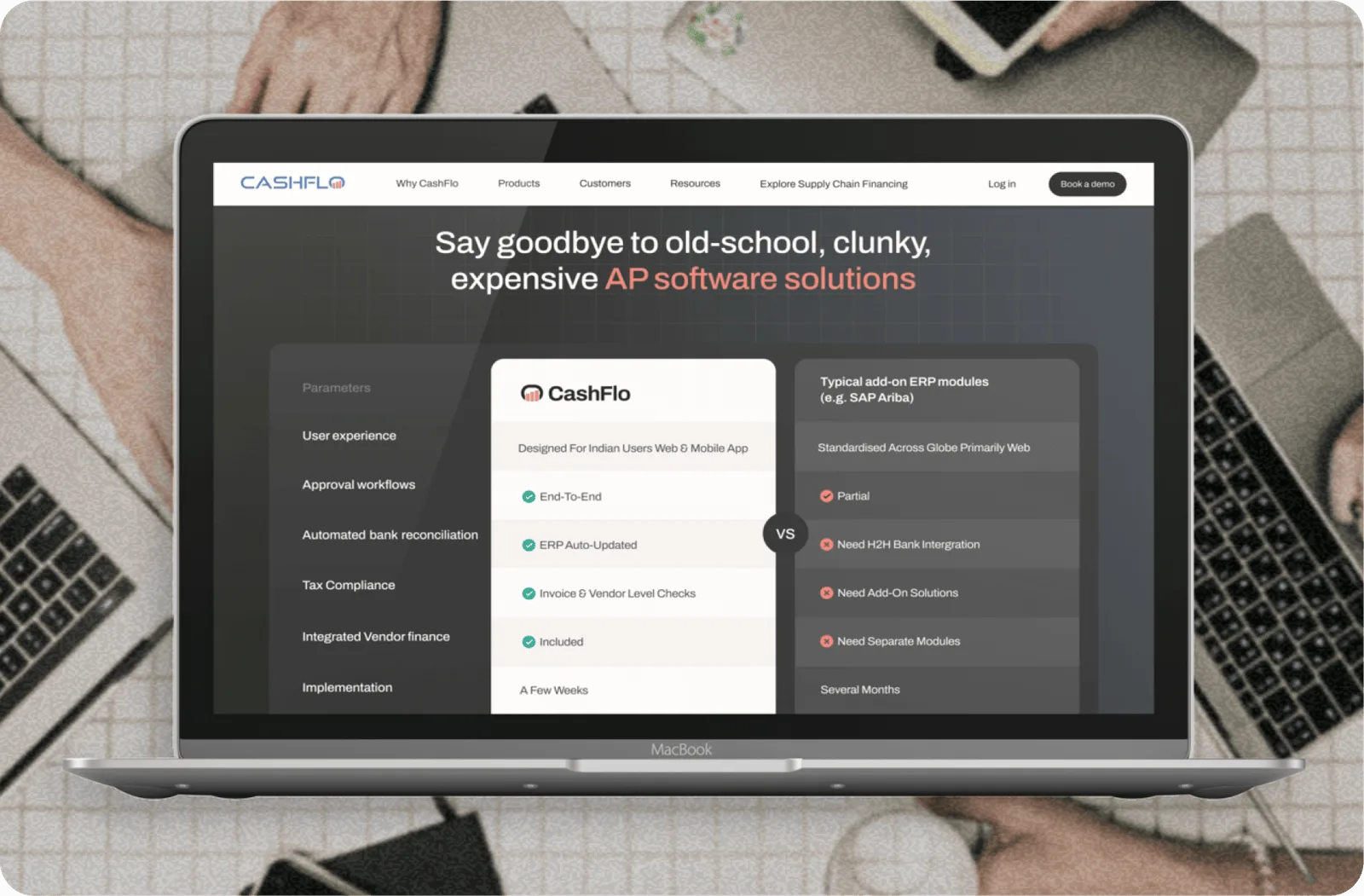
The support agents are Claude, grounded in the customer’s own invoice, payment and vendor records. They triage inbound queries, summarise threads and resolve what is answerable — and hand over the moment a reply would touch a balance. Six in ten queries never reach a person; the other four arrive with the context already assembled.
Answers from the ledger, not from memory
Every reply is grounded in the customer’s own invoice, payment and vendor records. The agent has no licence to characterise a balance it has not read.
Escalates anything touching money
Payment instructions, disputed amounts and anything that would change a balance stop at a human. Cashflo’s compliance requirements set that line, not the model.
Summarises the thread it hands over
When a ticket does escalate it arrives with the history condensed and the specific question named, so the ops team starts from context rather than a transcript.
That last exchange is the whole design. The agent can explain the hold precisely, and it cannot release the invoice — because on a payables platform the cost of being confidently wrong is not a bad answer, it is a payment.
Where the seventy per cent actually came from
The ops reduction is not one clever automation; it is three unglamorous pipelines each clearing most of their own volume. What agrees clears silently. What does not agree queues with the discrepancy already named, which is the part that turns an hour of investigation into a decision.
Line items, quantities and totals matched across the invoice, the purchase order and the receipt. Agreement clears; disagreement queues with the delta named.
Incoming remittance parsed and applied against open items, including the partial and consolidated payments that break naive matching.
Duplicate and near-duplicate vendor records surfaced before they become duplicate payments, which is the expensive way to find them.
Six workstreams, one eight-week launch
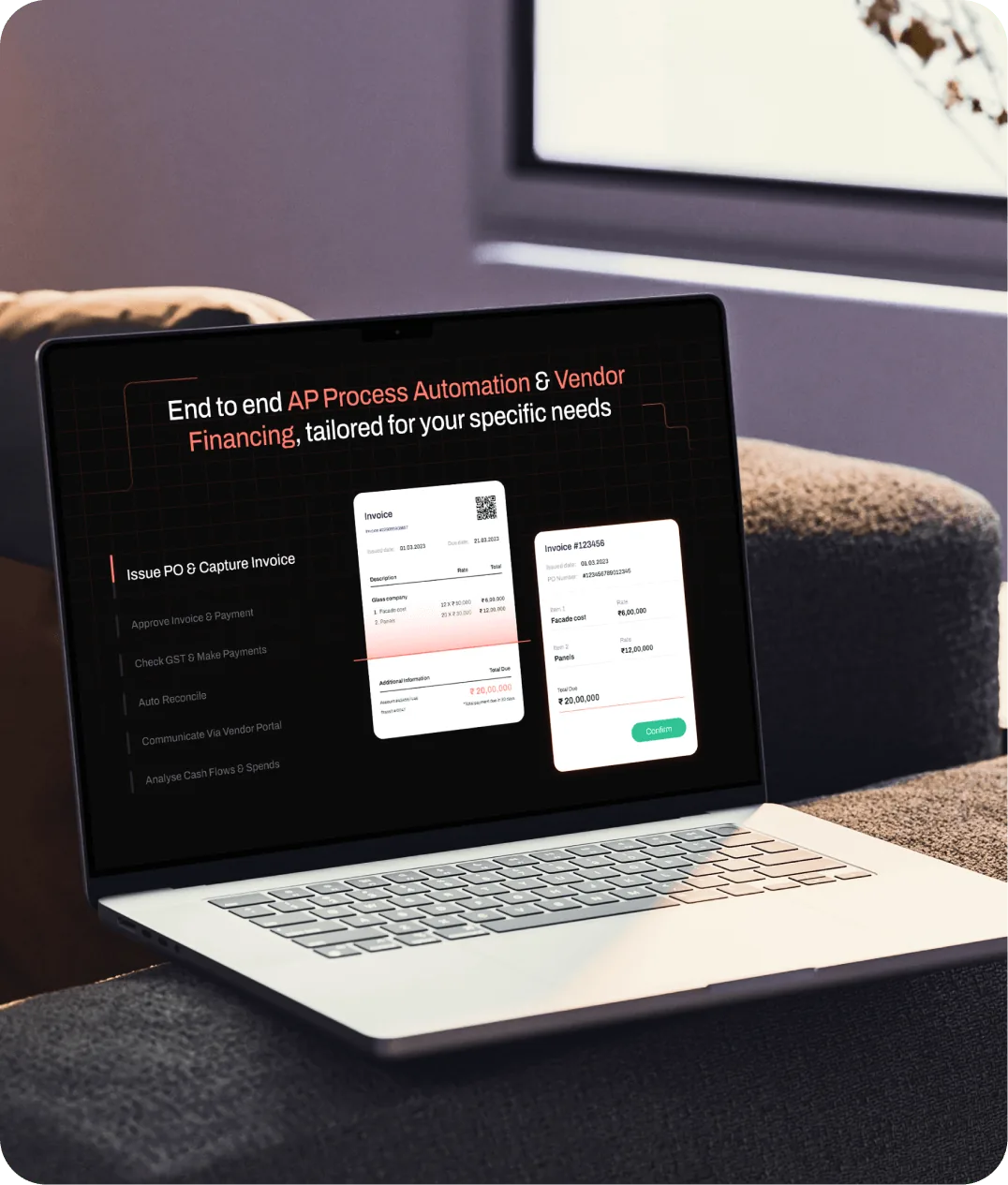
Highest-impact automation first, then outward. The agent layer and the reconciliation pipelines were built before the surface around them, so the schedule was never carrying an unproven core into its final fortnight.
Claude-Powered Support Agents
Production-ready agents that handle inbound support queries, triage tickets, generate summaries, and escalate only when human judgment is genuinely needed.
Automated Reconciliation
Ingestion and matching pipelines that pull invoices, purchase orders and payment records together, clear what agrees, and surface only the exceptions to a person.
Live Operations Dashboard
A real-time view of payables, ageing, DPO and exception queues, so the ops team reads position from the platform instead of assembling it in a spreadsheet.
Brand & Visual Identity
A refined visual language — typography, colour system, and component library — that runs consistently across the entire product and marketing touchpoints.
Guided Onboarding
A structured signup and verification flow that walks a new business through connecting its ERP and bank, replacing the manual setup that stalled activation.
Frontend Development
Fast and maintainable frontend code — built for speed and adaptability — optimised for mobile-first use and production-grade performance from day one.
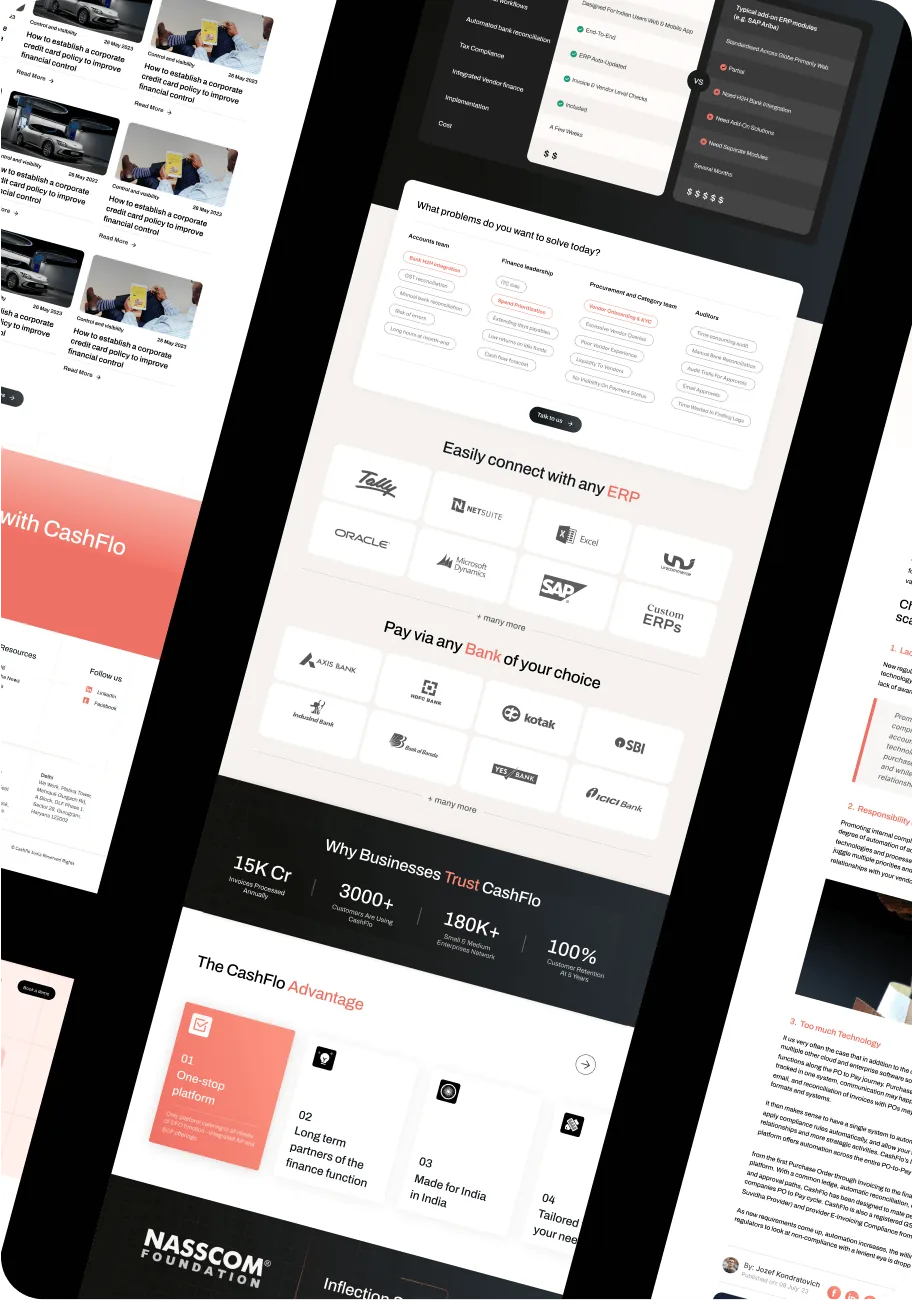
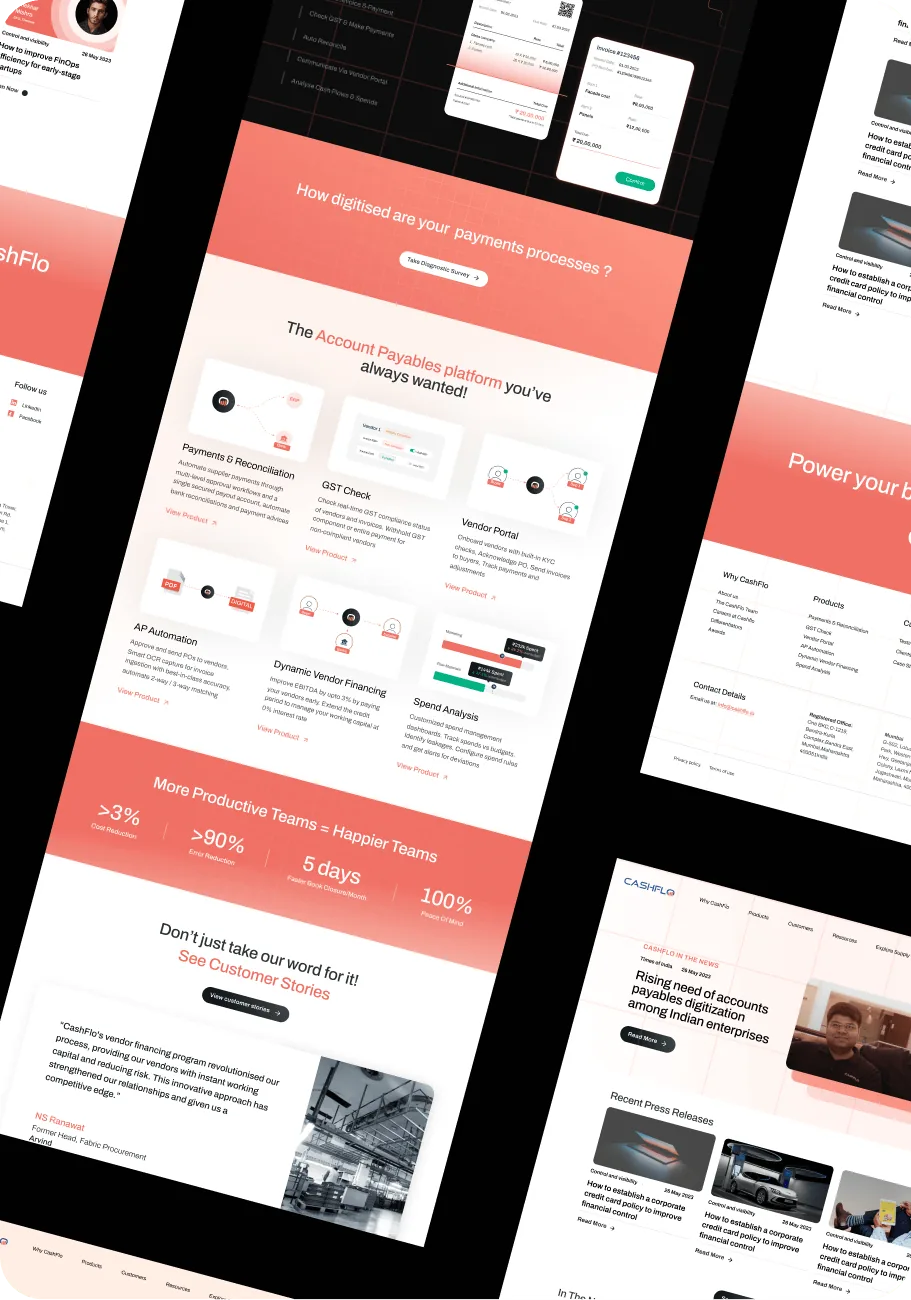
Position read from the platform, not assembled in a spreadsheet
The live dashboard is where the automation becomes legible to the people accountable for it. Payables, ageing, DPO and the exception queues update as the pipelines run, so the question “where are we” has an answer that does not require an export.
What the team sees
Open items, what cleared automatically, what is queued and why, and the exposure position across vendors — with the exception reason on the row rather than a click away.
What the agent contributes
Ticket summaries against the same records the dashboard reads, so a query and the position it asks about can never be answered from two different versions of the truth.
Eight weeks, riskiest automation first
The audit came before the architecture and the architecture came before the code, which is why an eight-week schedule held. Nothing in the last fortnight was load-bearing and unproven.
Discovery & audit
Structured workflow interviews with Cashflo’s ops, product and finance teams — mapping where time was being lost and why. Competitive benchmarking helped identify what users expected the platform to do. This gave us a clear brief before writing a single line of code.
UX architecture
The information architecture restructured from first principles — page structures, navigation layers, listing formats, and how data should surface alongside user actions. This was the skeleton everything else was built on.
AI system design
The Claude-powered agent architecture: how the system would reason, what tools it would use, when to escalate to humans, and how context would be managed across sessions. Every decision was made with Cashflo’s compliance and accuracy requirements in mind.
Development & launch
Built, tested and shipped in eight weeks — starting with the highest-impact automations and expanding from there. The platform launched with full agent functionality, a live dashboard, and automated onboarding and reconciliation pipelines in place before handoff.
The queue shrank, and the platform can absorb more of it
Cashflo launched with the agents, the pipelines, the dashboard and guided onboarding all in place. Ops time fell at a materially higher rate than any previous initiative had achieved, and the platform is positioned to extend the same pattern into the next workflow.
Manual operations work fell by seventy per cent once matching and payment application ran themselves. The team moved from clearing a queue to handling the exceptions that genuinely needed judgment.
The guided signup and verification flow replaced a manual setup that had been stalling activation, and onboarding completed three times faster.
Six in ten inbound queries now resolve without a person, while anything touching a balance or a payment instruction still stops at a human by construction.
What we took from it
Automate the reading, never the deciding. Matching, parsing and summarising are safe to hand over. The instruction to move money is not, and drawing that line explicitly is what made the agent layer approvable rather than merely impressive.
The exception is the deliverable. Clearing the ninety per cent that agrees is the easy half. Naming the discrepancy on the ten per cent that does not is what actually gave the ops team their day back.
Audit before architecture. Three weeks of interviews and IA work ahead of the build is what let five weeks of development land a full platform, instead of discovering the real workflow in week six.
Idea in your head? Let’s
bring it to life.
Got a project? A wild idea? Or just want to say hey?
We're here for all of it — reach out anytime.